
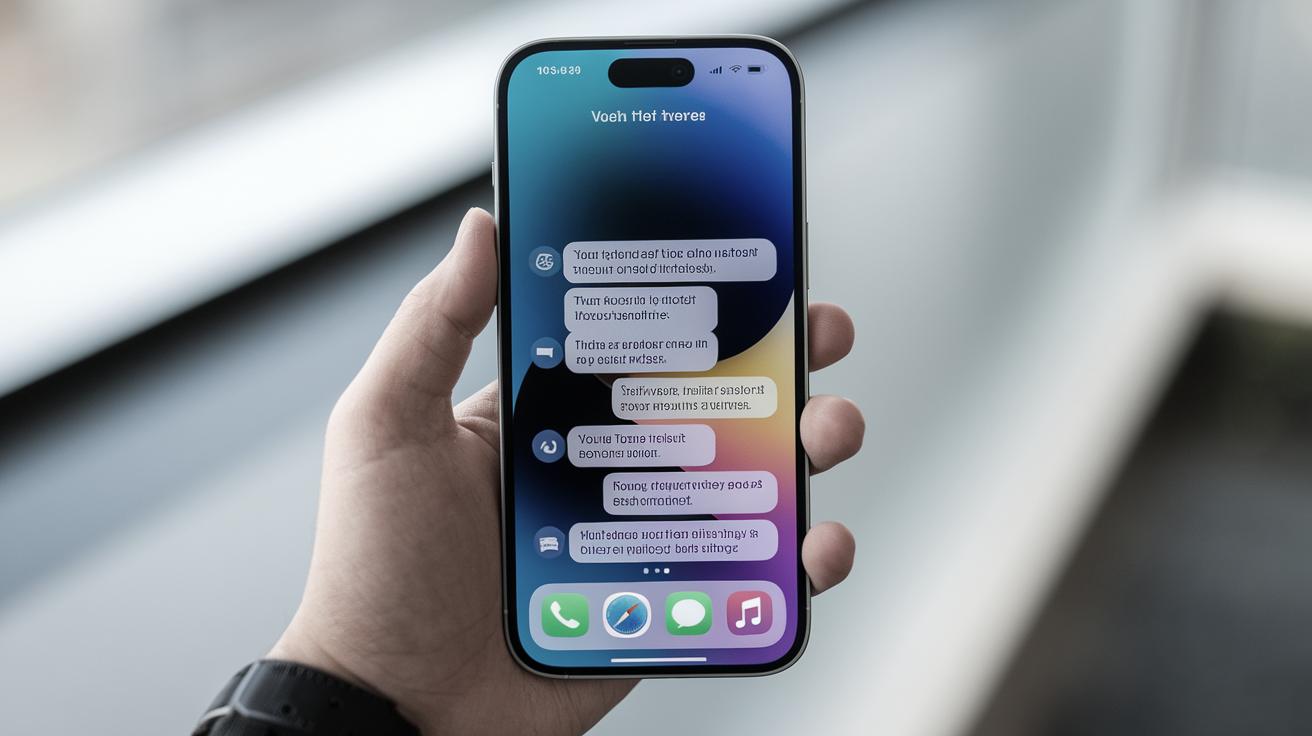
RCS messaging transforms iPhone communication with Rich Communication Services, offering multimedia features and enhanced security for modern mobile users in 2025.
What does RCS mean?
RCS stands for Rich Communication Services, a next-generation messaging protocol designed to replace traditional SMS with advanced multimedia capabilities. Unlike standard SMS that limits users to 160-character text messages, RCS enables high-resolution image sharing, video messaging, audio clips, and interactive features like read receipts and typing indicators.
This internet-based messaging standard leverages Wi-Fi and cellular data connections rather than traditional SMS infrastructure. Backed by the GSMA (Global System for Mobile Communications Association), RCS creates a universal messaging platform that functions similarly to popular OTT (Over-The-Top) applications like WhatsApp, Telegram, and Facebook Messenger.
The protocol supports advanced messaging features including group chat management, location sharing, file transfers up to 100MB, and business messaging capabilities. RCS essentially bridges the gap between basic SMS and feature-rich messaging apps, providing native smartphone integration without requiring third-party downloads.
Why use RCS texting?
RCS texting delivers superior messaging experiences with multimedia-rich communication that surpasses traditional SMS limitations. Users enjoy seamless high-quality photo and video sharing, real-time typing indicators, and delivery confirmations that enhance conversation flow and engagement.
For business communications, RCS enables branded messaging with rich media content, interactive buttons, and carousel cards for product showcases. Companies can send appointment confirmations, shipping updates, and customer service interactions through verified business profiles, creating professional communication channels.
The technology integrates naturally with smartphone voice assistants and AI features, enabling smart reply suggestions and automated responses. Cross-platform compatibility ensures consistent messaging experiences between different devices and carriers, eliminating the fragmentation common with proprietary messaging apps.
Enhanced Security Features
Modern RCS implementations include end-to-end encryption protocols that protect message content during transmission. Google Messages and Samsung Messages now offer encrypted RCS conversations, providing security comparable to dedicated secure messaging applications.
What are the cons of using RCS?
Despite its advantages, RCS faces significant adoption challenges, particularly with iPhone integration and carrier support inconsistencies. Apple’s delayed RCS implementation has created messaging fragmentation, where iPhone users often fall back to SMS when communicating with Android devices.
Data consumption represents another concern, as RCS relies on internet connectivity rather than cellular SMS networks. Users with limited data plans may experience increased usage, especially when sharing multimedia content or using advanced features frequently.
Privacy and security vulnerabilities remain problematic in some RCS implementations. Not all carriers provide end-to-end encryption by default, potentially exposing message content to interception during transmission or storage on carrier servers.
Compatibility Issues
RCS functionality depends heavily on carrier support and device compatibility. Users may experience inconsistent features when messaging across different networks or older devices that lack full RCS support, creating frustrating communication gaps.
How can you make sure your messages are encrypted?
Message encryption verification requires checking both your carrier’s RCS implementation and your messaging app’s security features. Most secure RCS services display encryption indicators within conversation threads, showing lock icons or “encrypted” labels for protected messages.
iPhone users benefit from iMessage’s built-in end-to-end encryption when communicating with other Apple devices. However, cross-platform messaging to Android devices may require RCS-compatible apps like Google Messages, which offers encryption for RCS conversations between supported devices.
To ensure maximum security, verify your messaging app supports E2EE (End-to-End Encryption) protocols. Check carrier documentation for RCS security implementations, and consider using dedicated secure messaging apps for highly sensitive communications.
Encryption Best Practices
Enable automatic encryption settings in your messaging app preferences. Regularly update your messaging applications to receive the latest security patches and encryption improvements from developers.
How can you use RCS text messages?
Local Implementation
Using RCS locally requires carrier network support and compatible messaging applications on your iPhone. Major carriers like Verizon, AT&T, and T-Mobile have implemented RCS infrastructure, though feature availability varies by location and device model.
iPhone users can access RCS features through third-party messaging apps like Google Messages, even when native iOS Messages lacks full RCS support. Download compatible apps from the App Store and configure them as your default messaging application for enhanced functionality.
Local RCS usage enables rich media sharing with nearby contacts, improved group messaging coordination, and real-time communication features that enhance daily interactions with friends, family, and colleagues.
Trending Stories
The messaging industry continues evolving with RCS adoption trends showing increased implementation across global carriers and device manufacturers. Apple’s recent announcements regarding RCS support indicate growing pressure for universal messaging standards and improved cross-platform compatibility.
Industry experts predict widespread RCS adoption by 2025, with enhanced features including AI-powered message suggestions, advanced business messaging capabilities, and improved security protocols. Following technology news helps users stay informed about new RCS features and compatibility updates.
Current trending developments include 5G network integration with RCS services, enabling faster multimedia sharing and reduced latency for real-time communication features across modern smartphone networks.
Weather Forecast Integration
RCS platforms support contextual information sharing including real-time weather updates directly within messaging conversations. Users can share location-based weather forecasts, severe weather alerts, and travel condition updates through rich media cards and interactive elements.
Advanced RCS implementations enable automated weather notifications through chatbot integrations and smart assistant features. These services provide personalized weather information based on user location and preferences, enhancing practical communication value.
Weather integration demonstrates RCS’s potential for utility-focused messaging, where conversations become platforms for sharing relevant, timely information that enhances daily planning and decision-making processes.
RCS vs Traditional SMS Comparison
Feature comparison analysis reveals significant advantages of RCS over traditional SMS messaging. While SMS limits users to 160-character text messages, RCS supports unlimited message lengths, multimedia attachments, and interactive elements.
Cost considerations favor RCS for users with unlimited data plans, as internet-based messaging eliminates per-message SMS charges. However, data usage implications may affect users with limited mobile data allowances, particularly when sharing large media files.
Business Applications of RCS
Enterprise RCS adoption enables enhanced customer engagement through verified business messaging, branded communication templates, and interactive customer service features. Companies can send rich media promotional content, appointment confirmations, and support interactions through official business profiles.
Marketing automation integration allows businesses to create sophisticated messaging campaigns with tracking analytics, conversion metrics, and personalized content delivery based on customer preferences and behavior patterns.
Future of RCS Technology
RCS development roadmaps include artificial intelligence integration, advanced security protocols, and enhanced multimedia capabilities. Industry predictions suggest universal RCS adoption across all major smartphone platforms and carrier networks by 2026.
Emerging features under development include augmented reality messaging elements, voice message transcription, and improved cross-platform compatibility that will further enhance user communication experiences.
| Section | Main Points |
|---|---|
| What does RCS mean? | RCS is a protocol upgrading SMS with multimedia support and read receipts, aiming for universal messaging standard. |
| Why use RCS texting? | RCS provides rich media sharing, group chat, and business engagement, creating opportunities for enhanced communications. |
| What are the cons of using RCS? | RCS faces inconsistency in adoption and lacks default end-to-end encryption, causing privacy concerns. |
| How can you make sure your messages are encrypted? | Users should ensure carrier support for encryption and use secure apps, like iMessage, for encrypted iPhone communication. |
| How can you use RCS text messages? | Adoption depends on carrier support; users can explore apps supporting RCS for enhanced local interaction and stay informed on tech trends for potential features like weather integration. |