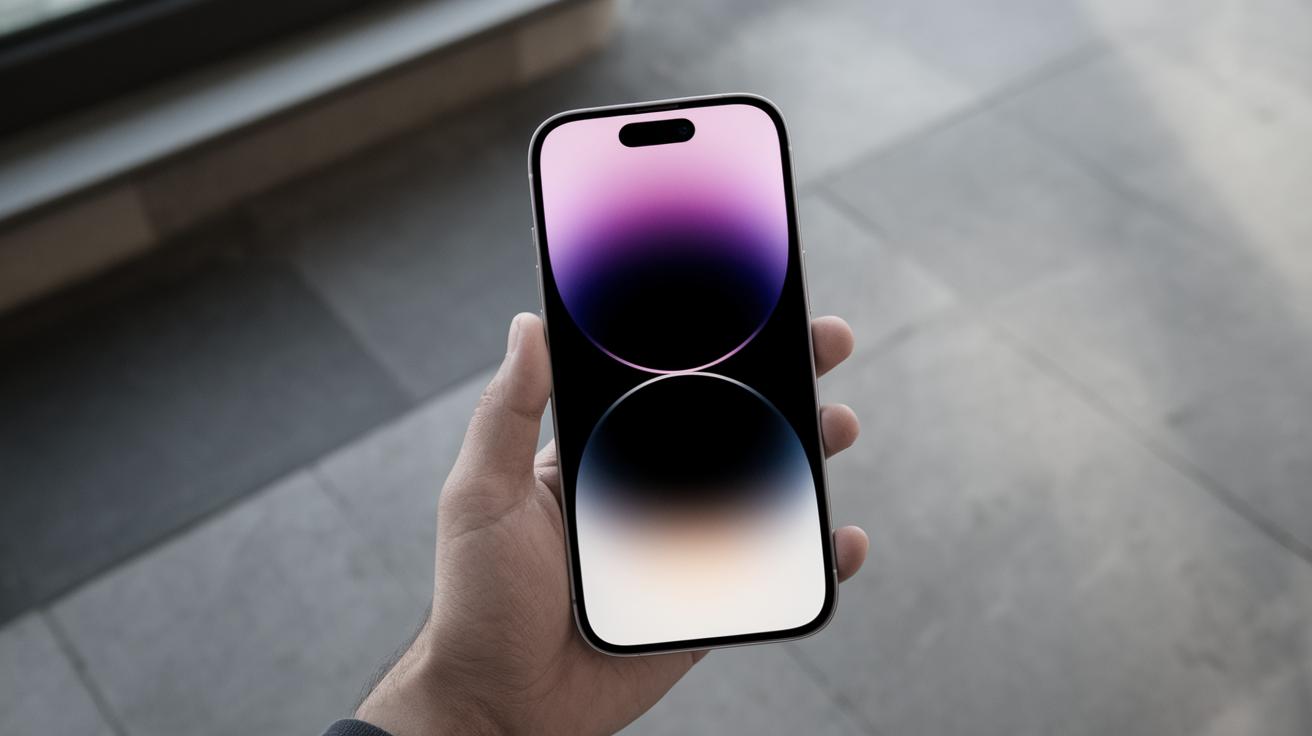
The iPhone 14: A Comprehensive Look at the Shift Away from the Traditional SIM Card Slot
The launch of the iPhone 14 marks a significant shift in smartphone design and functionality. Apple, renowned for its innovation, has taken a bold step by eliminating the traditional SIM card slot in favor of eSIM technology. This change promises to revolutionize the user experience by enhancing security, streamlining the physical design of the device, and paving the way for the future of connectivity. In this blog post, we will delve into the implications of this technological advancement, explore how it compares to previous models, and discuss both the potential benefits and challenges associated with a SIM card-free iPhone. For those who embrace tech evolution or those who may be apprehensive about it, this article provides a comprehensive analysis to help you understand the future of Apple’s flagship device.
Related:
In the context of technological evolution, the decision to remove the SIM card slot from the iPhone 14 fits into a broader trend within the smartphone industry. Competitors such as Samsung and Google have also been exploring eSIM technology, underlining the industry’s movement towards digital SIM cards. In the past, the SIM card was the only way users could connect their phones to their carriers. eSIM technology differs. It is embedded in the device itself and allows users to switch carriers without changing physical cards. This is particularly advantageous for those who travel frequently as it simplifies the process of acquiring local phone service without needing a physical SIM.
This shift not only keeps Apple ahead in terms of innovation but also aligns with their aesthetic goals. Removing the SIM card slot allows for a more streamlined device design, potentially making room for larger batteries or other enhancements. The move to eSIM-only could also improve waterproofing and reduce the number of moving parts in iPhones, signaling a step closer to more durable devices.
Related
eSIM technology is not entirely new and has been slowly integrated into devices since its debut. Apple’s decision to adopt eSIM in the iPhone 14 reflects a maturation of this technology and confidence in its reliability and user acceptance. With an increasing number of carriers worldwide supporting eSIM, the potential for seamless global connectivity expands significantly. Users will be able to activate their phones with various carriers worldwide without hassle, provided those carriers support eSIM.
This change could result in higher flexibility and freedom. Users can manage multiple numbers on a single device, possibly leading to cost savings through better rate plan management. Tech-savvy users may see this as a highly advantageous shift, but those accustomed to the physical SIM card might need a transition period to adapt to this new standard.
Related
The environmental impact of tech products is an ever-increasing concern. By fully adopting eSIM, Apple reduces the demand for plastic SIM cards globally. Each year, millions of SIM cards are manufactured. While small, these cards contribute to a larger environmental footprint. Transitioning to eSIMs lowers the need for physical production, resulting in less plastic waste.
Furthermore, reduced reliance on physical components aligns with Apple’s broader environmental initiatives. This move further emphasizes Apple’s commitment to reducing its carbon footprint and fostering sustainable practices in technology manufacturing.
This is the title for the native ad.
As you consider the iPhone 14 and its groundbreaking eSIM-only design, it’s also important to think about safeguarding your devices with the best protection. Upgrade your iPhone experience with premium cases that complement this innovative design. Not only do they provide superior protection, but they also enhance the aesthetic appeal of your sleek, SIM-less iPhone 14. Discover a range of options today and shield your device against the rigors of everyday life.
Whether you’re a frequent traveler or a style enthusiast, there’s a case that matches your lifestyle and reflects the cutting-edge technology of Apple’s latest iPhone. Visit our store and explore products that merge functionality with trend-setting design, perfect for your brand-new iPhone 14.
More in this stream
The shift to eSIM in the iPhone 14 opens the door to speculation on future smartphone developments. Could this be Apple’s step towards a fully wireless device? The removal of the SIM card slot might just be the beginning. Some speculate that Apple may also move to eliminate other physical ports, such as the lightning port, favoring wireless charging and data transfer technologies.
This transition period is an interesting time for tech followers and consumers. As Apple moves toward a port-less phone, it speaks to the evolution of technology where efficiency and minimalism could become norms. It is crucial for both consumers and developers in the tech sphere to anticipate and adapt to such changes, ensuring that future innovations harmonize user convenience with advanced functionality.
Most Popular
As speculations and debates around the iPhone 14 and its omission of the SIM card slot circulate, topics such as eSIM activation and user adaptation have risen in popularity. Users are eager to understand how this transition might affect them, either positively or negatively. Apple’s commitment to maintaining user satisfaction through robust customer support is critical during this transition period.
Moreover, the impact of this innovation on the global market is a point of significant interest. As Apple prioritizes eSIM, other tech companies may feel pressured to adopt similar standards, revolutionizing global telecommunications protocols.
Installer
Activating an eSIM on the iPhone 14 is designed to be user-friendly. Apple provides step-by-step guidance, ensuring a smooth transition from the traditional SIM card to digital ones. Users begin by contacting their carrier to set up their eSIM service. It often involves scanning a QR code or downloading the carrier’s app to ensure proper installation.
The process requires a stable internet connection and a few minutes to complete, making the setup as convenient as possible for the user. As more carriers enhance their support for eSIM, the experience will continue to improve, underscoring the critical role of carrier cooperation in this technological shift.
Related
While the shift to eSIM promises numerous benefits, the adaptation process may also include challenges. Some users may experience hesitation due to lack of familiarity with the technology or potential issues with carrier compatibility. It’s imperative for carriers to offer extensive support to facilitate this transition smoothly.
Consistent reliance on technology facilitates widespread adoption. Apple providing robust customer aid and digital resources is paramount to ensure a smooth transition, welcoming users into an eSIM era with confidence and support from both Apple and their carriers.
This is the title for the native ad.
As the iPhone 14 leads the shift to an eSIM-only future, it’s time to consider comprehensive solutions for your connectivity needs. Explore flexible and affordable plans with eSIM support, ensuring you stay connected wherever you are. Embrace the freedom of managing multiple numbers and carriers effortlessly, all from the palm of your hand.
Don’t miss out on the future of mobile technology. Check out our recommended service providers today and find the right plan to accompany your state-of-the-art iPhone 14, enhancing your global communication experience.
Next steps
| Section | Highlights |
|---|---|
| Related | eSIM technology adopted, future design changes, environmental considerations, enhanced user flexibility. |
| More in this stream | Potential for further port removal, implications for future tech development, shifts in market trends. |
| Most Popular | User adaptation, impact on global standards, Apple’s customer support during transition. |
| Installer | eSIM setup process, necessity for carrier cooperation, user adaptability and resources offered by Apple. |